

The closer you get to the market, the less you have to predict. And the less you have to predict, the more creative risk you can take.
More freedom to create, that is the purpose.
This summer we’re working with Stieglitz to bring Design Sell Make into practice.
We’re doing a couple of things.
We’re bringing new designs to market as preorders.
We’re cutting design to market down to 6 weeks.
And maybe most importantly, we’re linking design to production and cutting the inefficiencies in between.
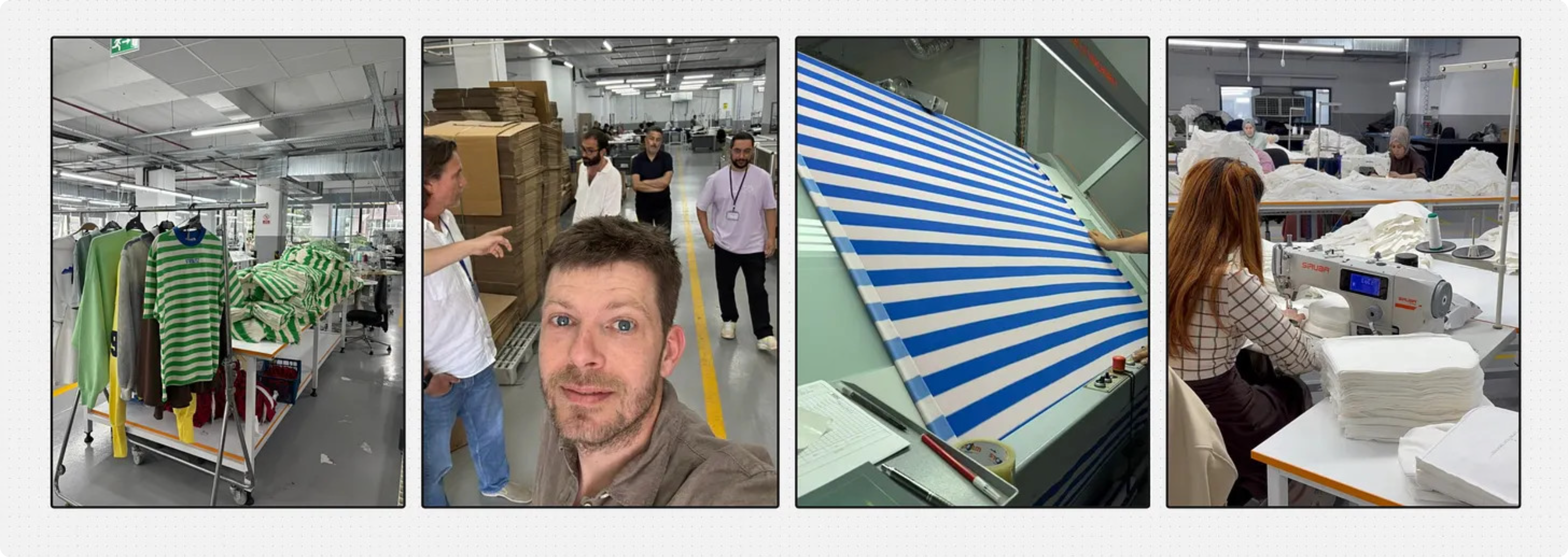
Linking design to production
Important, because if we want to cut time to market, this is where there is a lot to win.
And if we want to start selling before we make, we have to make sure the design is locked in with manufacturing. Otherwise we’re selling something that can’t be manufactured. That’s a problem.
That is why we were in Istanbul this summer, visiting Dayteks, the supplier we work with for this project.
Linking design to production has to do three things:
First: can the factory read the tech pack without interpretation issues? Which kind of means: how do we make sure the factory doesn’t have to fill In design gaps?
The role of the factory should be to say: yes, I can manufacture this. Or no, I can’t, and here’s what I suggest. It is the technical validation before the design renders go online. Once we start selling, the design can’t suddenly change.
Second: does the factory have enough information to give us a commercial price?
Third: can we do both of those things without kicking off a prototype waterfall? We want to keep investment low and the calendar short. Every proto adds time and money.

Uhh is that a Tech Pack, a AI techpack?
It may look like one. But don’t judge it purely on what you see.
The difference between a random tech pack and one that really links design to production is not how it looks. It’s what sits behind it: the process, data and habits around it.
Where it often goes wrong:
Leaving design decisions open, thinking: we’ll see how the factory solves this during prototyping.
Tech packs created manually, so they differ from person to person.
Not referring to standardised fits, materials or constructions.
Making existing tech packs a little better or easier to create is not enough if we want it to change the calendar. We have to turn design data into manufacturing data with no room for interpretation and the least amount of manual entry.
The approach
First, we looked at what data is really needed.
Too much information can be contradictory. And every data point that is in there needs to be kept up to date. More data isn’t automatically better data.
Second, we standardised the main inputs. Fabrics, fits, trims, labels and placements. Standardising what repeats takes out noise. It makes automation possible and removes another source of interpretation.
And yes, third: automation. Connected data. The tech packs we started making are now around 80% automatically generated. When the structure and system are consistent, it becomes much easier to read, spot the differences and understand what actually changed.
And that data can connect to the factory’s ERP, taking out another interpretation risk and another manual entry point.
With the technology we have available now, we can radically change the way we do things. But only after we change some of those habits and processes.
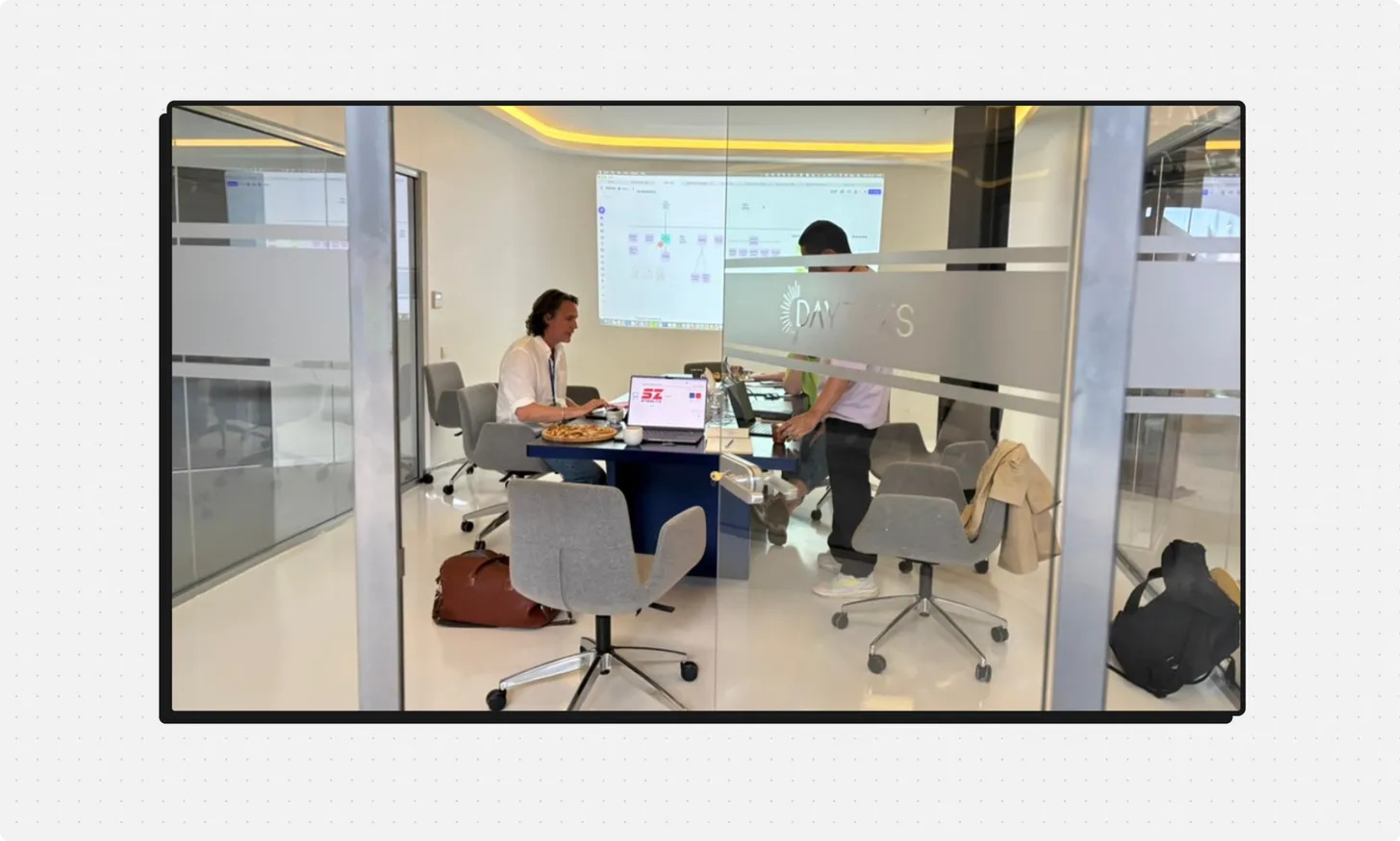
Reminder: why are we doing this again?
Close that communication gap between design and production and you open up massive creative and commercial opportunities.
Get closer to the market → test demand → take more creative risks → make bigger decisions with better information.
This design to production work is one part of the Design Sell Make workflow we’re developing. Together with Stieglitz, we’re now piloting that workflow on a real drop.
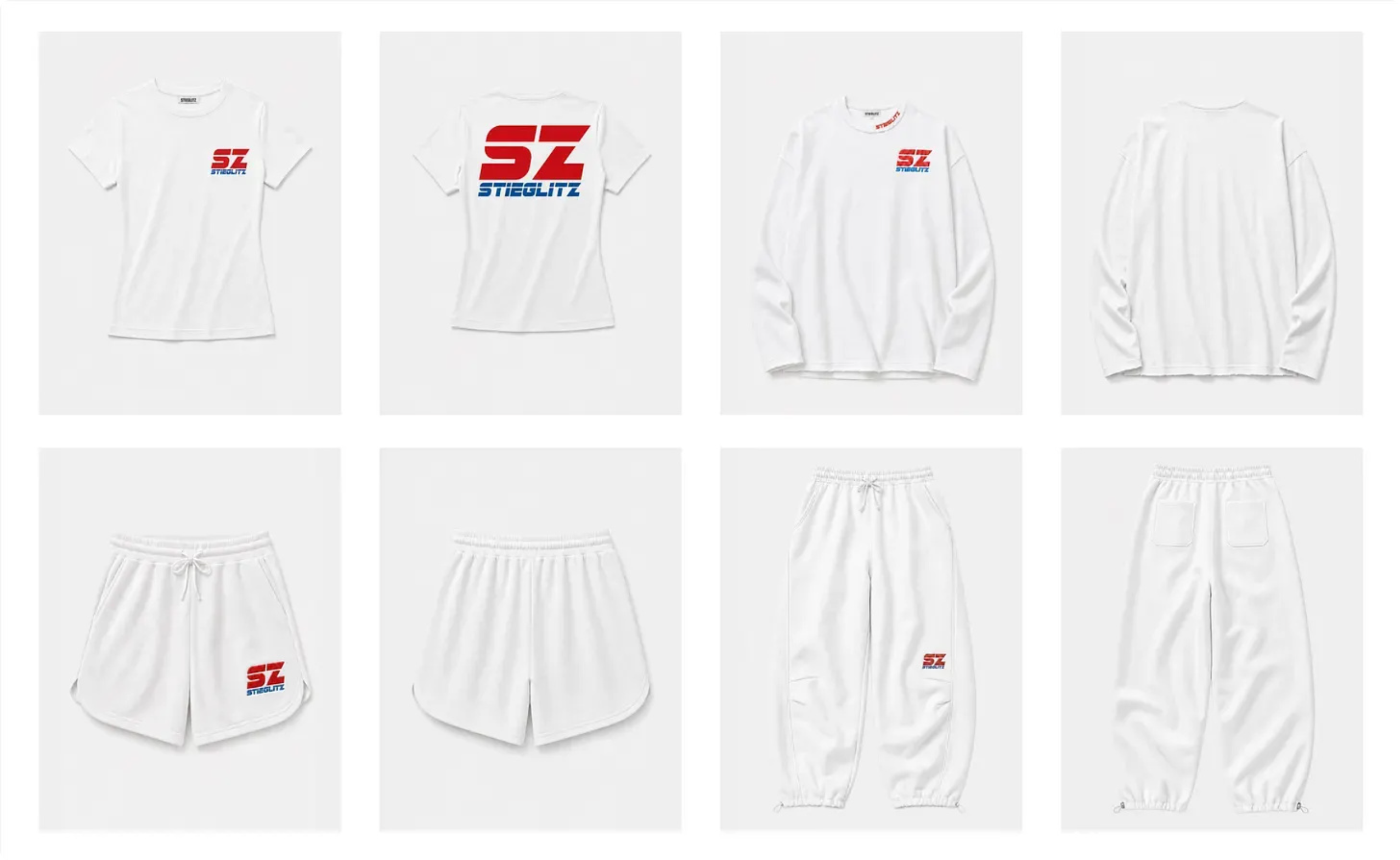
This week, the first drop from the pilot goes live.
Ready to capture all the learnings and tell you how it worked out.
Keep you posted.
--
I love this kind of work.
I started my career as a garment developer, a technician, visiting factories and solving these exact problems.
Back then, I learned how to rethink the process. Standardise what could be standardised, remove unnecessary steps and leave more time for the things that actually mattered.
Now I’m back at it, same problem, much bigger opportuities.